(757) 554-0661

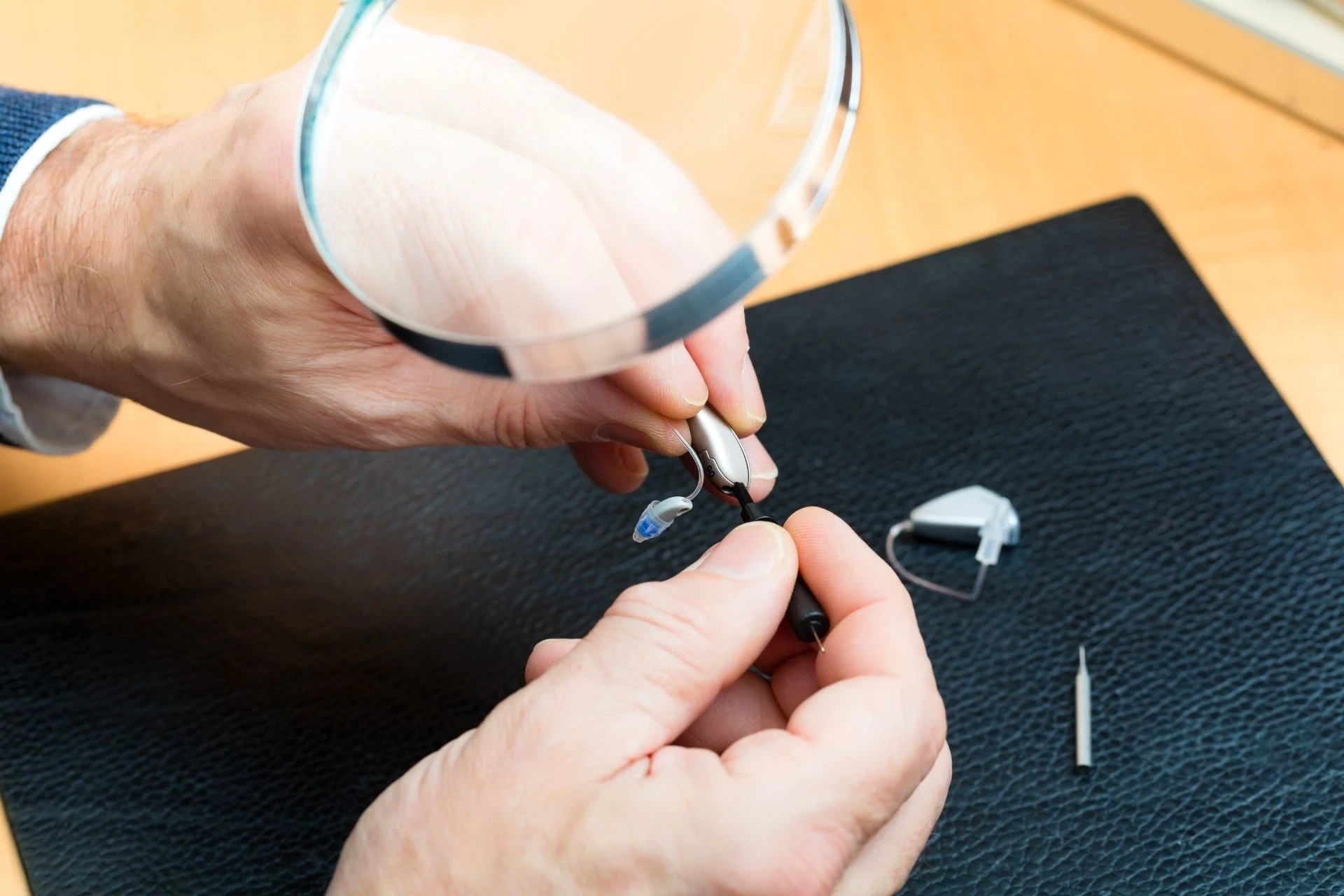
Hearing aids work best when they are kept clean and well cared for. These small devices support your daily communication, so simple maintenance routines can keep them comfortable and reliable while still delivering clear sound. When hearing aids stay in good condition, you enjoy better sound quality and fewer interruptions. Learning how to care for them properly is one of the most helpful steps you can take after being fitted with new devices.
Good maintenance can help your hearing aids last longer. Dust, oils, earwax, and moisture are a regular part of life, but they can build up over time and cause problems. When this happens, sound openings become blocked, and performance can change. With a few easy habits, you can keep your devices working properly and protect your investment in your hearing health.
Why Routine Cleaning Matters
Routine cleaning helps prevent performance problems and extends the life of your devices. Even small amounts of buildup can negatively affect the clarity, volume, and comfort of your hearing aids. Regular care reduces the need for many repairs and helps ensure your hearing aids stay dependable throughout the day.
It is also easier to spot potential issues when you clean your devices regularly. You may notice worn-out parts, loose tubing, or moisture inside the device. Catching these changes means you can address them right away, before they start affecting your hearing experience.
Daily Care Tips
Daily cleaning takes only a few minutes and can make a meaningful difference to your devices. These steps support clear sound and prevent common issues. Try these small habits to protect the inner and outer components of your devices.
- Wipe the devices with a soft, dry cloth at the end of the day
- Remove earwax from the sound openings with a cleaning brush
- Check for moisture and store devices in a dry place overnight
- Keep hearing aids away from water, hair products, and extreme heat
- Inspect domes and filters for buildup or damage
Weekly Cleaning Steps
- Wax Filter Check is the step when you look for blockages in the filter or guard.
- If the filter is clogged, replacing it usually restores clarity right away.
- Microphone Inspection is the task that focuses on tiny openings near the top of the device.
- Use your cleaning brush to remove any dust or debris that may have collected gently.
- Tubing and Dome Review is the time when you check fit, flexibility, and cleanliness.
- Domes that become stiff or discolored should be replaced to maintain comfort and performance.
When to Replace Certain Parts
Some parts of your hearing aids are more likely to need replacement than others. Wax guards and domes, as well as tubing, are designed to be replaced regularly to support sound quality and comfort. Your hearing care provider will explain how long the parts typically last and how to change them or have them changed safely.
Moisture Management
- Drying Kits are a method that helps remove trapped moisture overnight.
- These kits are simple to use and protect internal components from water damage.
- Dehumidifier Boxes are the option that draws out moisture more thoroughly.
- This solution is helpful for people living in humid climates or who sweat frequently.
Avoiding Common Damage Sources
Hearing aids are very durable, but they still need thoughtful care. Keeping them safe as part of your daily routines protects them from unnecessary wear. Avoiding these risks will help to stop accidental damage while keeping your device stable.
- Do not store devices in pockets or loose bags
- Keep them out of reach of pets
- Remove them before showering or swimming
- Use both hands when inserting or removing devices
When to Seek a Professional’s Help
Even with regular cleanings, occasional issues may arise that need repair. If your hearing aids sound weak or distorted, or go completely silent after cleaning, it may be time to reach out. A professional cleaning can remove deeper buildup and ensure every part is in working order.
Keeping Your Hearing Aids Working Their Best
Consistent care helps your hearing aids stay clear and comfortable. When you follow simple routines and check your devices regularly, you protect their performance. If you have questions or notice a problem, support is always available to get you back on track.

Advanced Hearing Systems