(757) 554-0661

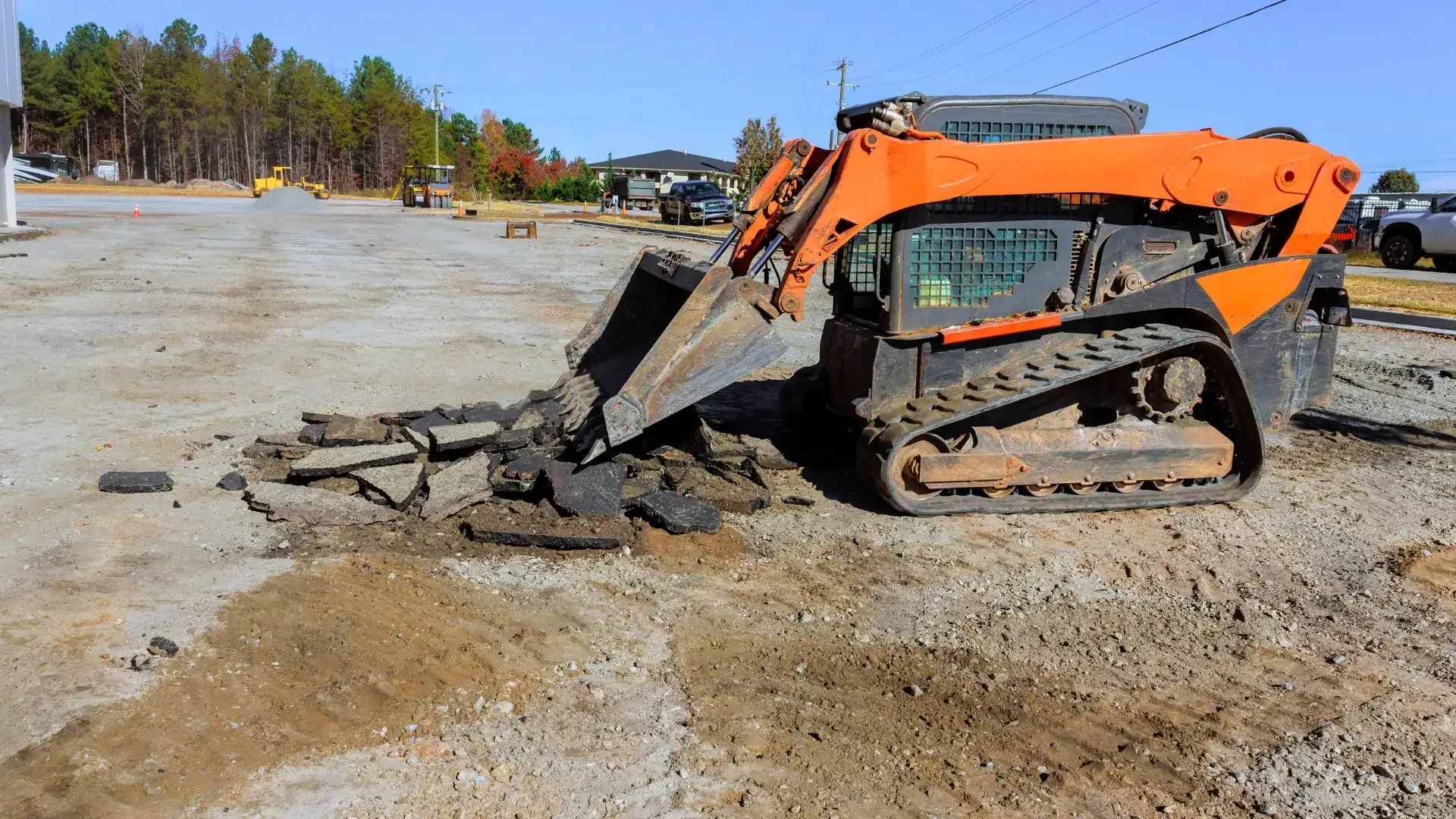
Heavy machinery plays an important role in industries such as construction, farming, manufacturing, transportation, and landscaping. Equipment like tractors, bulldozers, forklifts, chainsaws, and industrial tools helps workers complete demanding tasks efficiently. However, these machines also produce loud noise levels that may place hearing health at risk over time.
Workers who regularly operate heavy machinery often face constant exposure to engine sounds, vibration, alarms, and mechanical noise. Without proper hearing protection and hearing care habits, this exposure may contribute to long-term hearing difficulties. Managing hearing health while using heavy machinery is essential for workplace safety, communication, and overall well-being.
Why Heavy Machinery Noise Is Dangerous
Many types of machinery produce sound levels far louder than normal conversation. Repeated exposure to these sounds can damage delicate structures inside the ear. In many cases, hearing loss develops slowly over time, making it difficult to notice during the early stages.
Workers may begin experiencing ringing in the ears, muffled hearing, or difficulty understanding speech after prolonged exposure to loud equipment. Continued noise exposure without protection may worsen these symptoms and increase the risk of permanent hearing damage.
Common Sources of Workplace Noise
Heavy machinery environments often contain several loud sounds occurring simultaneously. This combination of noise can place significant strain on hearing health throughout the workday.
Common workplace noise sources may include:
- Diesel engines and hydraulic systems
- Power tools and industrial cutting equipment
- Backup alarms and warning systems
- Hammering, grinding, and drilling sounds
- Trucks, loaders, and forklifts are operating nearby
On busy job sites, workers may move between multiple noisy areas during the day, further increasing total sound exposure.
How Hearing Loss Affects Workplace Safety
Hearing plays an important role in maintaining workplace safety around heavy machinery. Workers must often hear warning alarms, instructions from coworkers, and approaching vehicles to avoid accidents.
When hearing becomes impaired, communication and awareness may suffer. Missing important sounds on a construction site or in a factory environment can increase the risk of injury for both the worker and nearby coworkers.
Hearing difficulties may also affect concentration and reaction time during equipment operation. Employees who struggle to hear clearly may become more mentally fatigued because they must work harder to process sounds and conversations throughout the day.
Choosing Proper Hearing Protection
One of the most effective ways to protect hearing while using heavy machinery is to wear proper hearing protection consistently. Different work environments may require different types of protection depending on noise levels and job responsibilities.
Common hearing protection options include earmuffs, foam earplugs, and custom hearing protection devices. Workers should choose products that fit comfortably and provide adequate sound reduction without preventing important communication or safety awareness.
Custom hearing protection solutions may offer improved comfort for individuals who wear hearing protection for long work shifts.
The Importance of Routine Hearing Evaluations
Workers exposed to heavy machinery noise should schedule routine hearing evaluations to monitor their hearing health over time. Regular testing helps identify hearing changes early, sometimes before workers notice symptoms themselves.
Many hearing concerns caused by workplace noise develop gradually. Professional monitoring may help prevent more serious hearing damage from going unnoticed for years. Individuals who work around loud equipment should consider regular hearing checks to detect early hearing loss.
Communication Strategies on Noisy Job Sites
Clear communication remains important in loud work environments. Workers can use several strategies to improve communication while operating heavy machinery safely.
Face-to-face conversations may help reduce misunderstandings because workers can rely on visual cues and facial expressions. Hand signals and radios may also improve communication when noise levels are extremely high.
Employers should encourage workers to speak clearly and confirm instructions when operating equipment nearby. Creating designated quiet areas for important discussions can further improve workplace communication and reduce confusion.
Employers Play an Important Role
Workplace hearing safety is not only the responsibility of individual workers. Employers also play an important role in protecting employee hearing health.
Companies can support hearing wellness by providing hearing protection equipment, limiting unnecessary noise exposure, and offering employee hearing education. Routine hearing screenings may also help workers identify concerns before communication problems become severe.
Long-Term Hearing Health Matters
Hearing loss caused by workplace noise may affect daily life both on and off the job. Workers with hearing difficulties may struggle with conversations, television volume, and social interactions outside of work.
By taking hearing safety seriously, workers and employers can create safer environments that support communication, awareness, and overall well-being in noisy industries.

Advanced Hearing Systems