(757) 554-0661

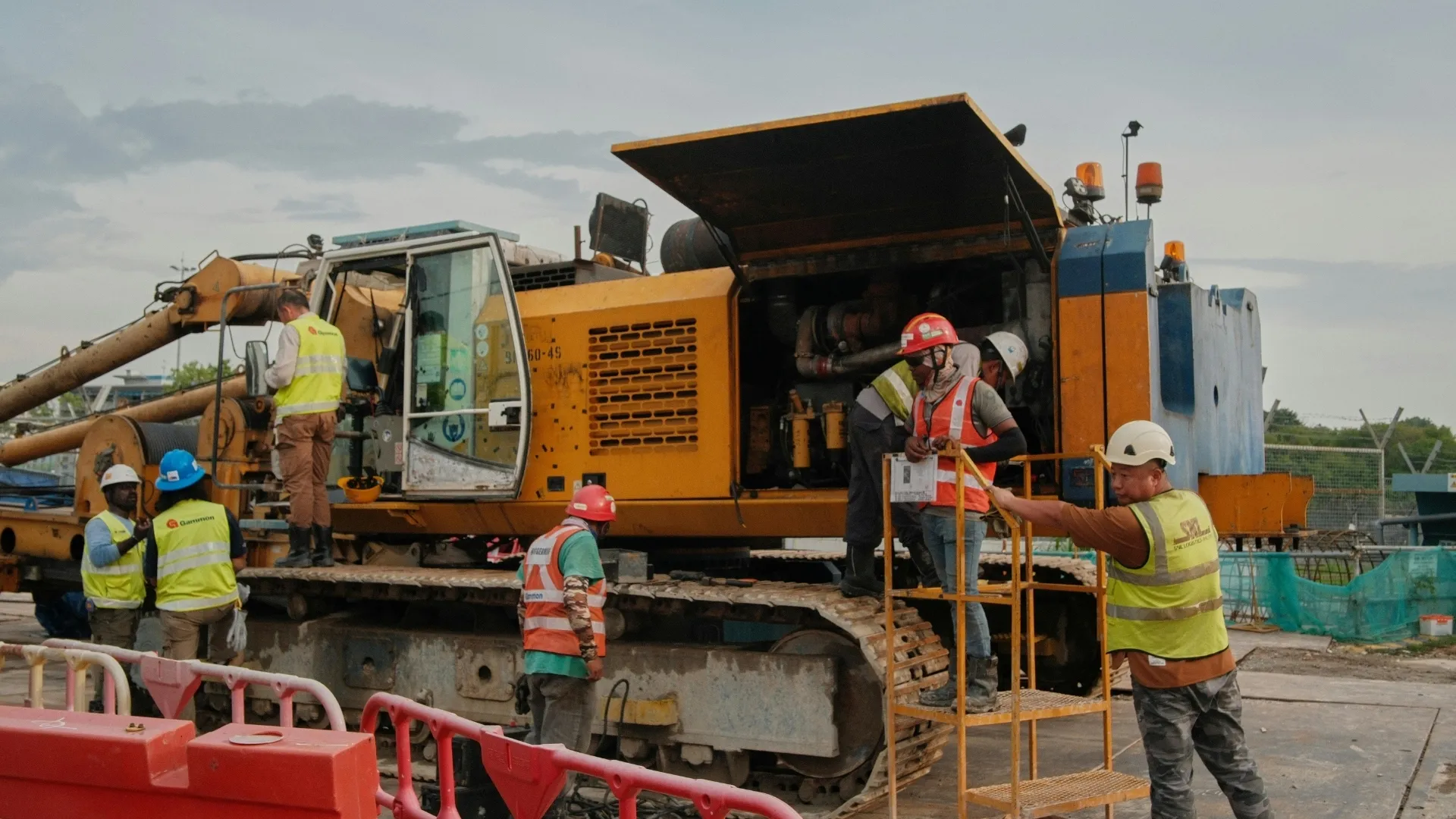
Hearing is a critical sense that helps people communicate, stay safe, and enjoy daily life. However, many workers are exposed to noise levels that can damage their hearing over time. Occupational hearing loss refers to hearing damage caused by sounds in the workplace. It can develop slowly and may go unnoticed until communication becomes difficult. Understanding which jobs pose high risks and how workplaces can prevent hearing damage is essential to protecting long-term hearing health.
High-risk Jobs for Hearing Loss
Occupational hearing loss is more common in industries where machinery, tools, or other equipment produce intense sound. Several job types are considered high risk.
- Manufacturing jobs often involve loud machinery, conveyor systems, metal stamping, and power tools. Workers may be exposed to high noise for long periods, sometimes without proper hearing protection.
- Construction work includes tasks such as drilling, jackhammering, and operating heavy vehicles. Sudden loud sounds, such as hammering or cutting, can cause immediate damage, while constant moderate noise can create long-term problems.
- Transportation settings such as airports and railways expose workers to engines, braking systems, and other loud equipment. Baggage handlers, mechanics, and ground crews may spend hours near running engines.
- Military service is another field where noise levels are often high. Firearms, aircraft, engines, and explosions can produce extremely loud sounds that can quickly damage hearing. Hearing loss is one of the most common injuries among veterans.
Signs of Occupational Hearing Loss
Workers may not notice hearing loss immediately. The damage often develops slowly. Early signs include difficulty understanding speech, especially in noisy environments. Workers may ask others to repeat themselves more often or complain that people are mumbling. They may also notice ringing or buzzing sounds in their ears after a work shift. Over time, understanding speech becomes harder, and daily communication becomes more stressful.
Preventive Measures for Individuals
The good news is that occupational hearing loss can often be prevented with proper safety steps. Workers can protect themselves by recognizing risks and using protective equipment correctly.
Key protective strategies include:
- Wearing hearing protection devices such as earmuffs or foam earplugs during noisy tasks
- Taking quiet breaks away from loud environments to reduce total noise exposure
Workers should also learn how to check if their hearing protection fits properly. Devices that are worn incorrectly do not provide complete protection. Regular hearing tests can help detect early signs of damage. Early detection allows workers to adjust their habits before a more serious loss occurs.
Preventive Measures for Employers
Employers share responsibility for preventing occupational hearing loss. Effective safety programs protect workers while also improving productivity. There are several methods businesses can use to reduce risk.
One important method is monitoring noise levels. Sound measurement tools can identify areas where noise exceeds safe levels. Once risky locations are identified, employers can install barriers or change processes to reduce exposure.
Engineering controls are another option. These changes involve modifying equipment or layouts to reduce machine noise. Examples include using quieter tools, installing noise-dampening materials, or separating loud equipment from work areas.
Administrative controls involve changing work schedules or tasks. Rotating workers among different stations can reduce the time each person spends in noisy environments. Training workers on hearing health and proper use of protective gear also helps build a safer culture.
Employers can also provide high-quality hearing protection devices. Not all workers need the same level of protection, so offering multiple types can help match different tasks and comfort levels.
Conclusion
Occupational hearing loss is a serious but preventable problem. Many industries expose workers to loud sounds that can damage hearing over time. Early signs are often subtle, making awareness important for both workers and employers. By using hearing protection, reducing exposure, improving workplace equipment, and educating employees, businesses can protect workers from long-term harm. With appropriate measures in place, individuals can maintain healthy hearing throughout their careers and enjoy clearer communication and a better quality of life.

Advanced Hearing Systems